Insurance paperwork can feel like a foreign language. Years behind a desk at a State Farm office taught me that most confusion comes from a few recurring words: liability, comprehensive, collision, deductible, and endorsements. Those words shape what happens after an accident, how much you pay now, and how protected you are when the unexpected arrives. This article walks through the practical meaning of the terms you see on your declaration page, how they affect real claims, and the choices an experienced agent would steer you toward based on common situations.
Why these terms matter A declaration page is a contract summary, not a suggestion. Small differences in coverage can change whether a vehicle is repaired, whether a guest’s medical bills are paid, or whether your rates spike after a claim. I regularly meet people who think full coverage means everything is covered, or that their deductible is irrelevant until they need it. Those misunderstandings cost time and money. Knowing the language lets you compare quotes with confidence and have a smarter conversation with an insurance agency, whether you search "insurance agency near me" or walk into a local office in Sheffield.

Declaration page, declarations, or dec page This is the one-page snapshot you get with every policy renewal. It lists named insureds, vehicles covered, policy number, effective and expiration dates, limits, deductibles, and endorsements. The declaration page tells the story of your policy at a glance. If someone asks what you carry, read the declaration page aloud. That prevents assumptions, and it will usually answer 90 percent of the agent’s follow-up questions.
Named insured and additional insured The named insured is the person or entity the policy is written for. If your spouse lives at a different address or a teen uses a vehicle occasionally, they might be an additional insured or a permissive user. Insurers care about residency and usage patterns because risk changes with who drives. Listing a college student temporarily away at school as a household resident when they truly live there can produce surprises when a claim arises.
Bodily injury liability and property damage liability Liability covers what you cause to others, both injuries and damage. Bodily injury liability pays the other party’s medical bills, lost wages, pain and suffering, and legal defense if they sue. Property damage liability pays to repair or replace the other person's vehicle, a fence, mailbox, or building you damage.
Limits are written as two or three numbers. A common format in the United States is 100/300/50. The first two numbers apply to bodily injury: $100,000 per person, $300,000 per accident. The third number, $50,000, Insurance agency Rebecca Stutts Hovater - State Farm Insurance Agent is for property damage per accident. Higher limits cost more up front, but they protect against lawsuits that can threaten your savings and future earnings. I once worked with a young driver who carried the state minimum of 25/50/25. After a passing image misread at an intersection, the claim exceeded those limits. He faced litigation that would have been avoidable with modestly higher limits.
Collision coverage Collision pays to repair or replace your vehicle after an accident that is your fault or when you hit an object, even if no other vehicle is involved. If you lease or finance a car, lenders typically require collision. Collision covers actual cash value, not the sticker price, minus your deductible. For older cars with low value, the cost of collision coverage over a few years can exceed the benefit at the time of a claim. I advise clients to evaluate the vehicle's current market value, not sentimental value, when deciding to keep collision.
Comprehensive coverage Comprehensive covers non-collision loss: theft, vandalism, falling objects, fire, flood, hitting an animal, and windshield damage in many cases. Comprehensive is often lumped together with collision as "full coverage" but they are separate protections. If you live in an area with heavy deer populations or frequent hail, comprehensive can save you from an expensive repair or total loss. Like collision, comprehensive pays actual cash value, less the deductible.
Deductible The deductible is the amount you agree to pay out of pocket on a claim before the insurer contributes. Higher deductibles lower your premium, lower deductibles raise it. Picking a deductible is a balance between monthly budget and the ability to pay a lump sum after an incident. I tell clients to choose a deductible they can cover comfortably from savings. A $1,000 deductible makes sense if you have three months of living expenses set aside and you want lower premiums. A $250 deductible is easier to handle for an unexpected windshield repair, but it costs more every month.
Uninsured and underinsured motorist coverage Uninsured motorist coverage (UM) pays you if you are hit by a driver without insurance. Underinsured motorist coverage (UIM) covers the gap when the at-fault driver’s limits are too small to cover your injuries or damages. States vary in how they handle UM and UIM, and in some states these coverages are required. In practice, UM/UIM often pays for medical bills for you and your passengers, and sometimes for vehicle damage, depending on the policy. I once handled a case where my client had a catastrophic injury from a hit-and-run. UM coverage paid critical rehabilitation costs that otherwise would have been out of pocket.
Medical payments and personal injury protection Medical payments coverage pays medical expenses regardless of fault, typically with low limits that complement health insurance. Personal injury protection, often called PIP, offers broader benefits in no-fault states, including lost wages and household services, again regardless of fault. If you have strong health insurance with low out-of-pocket maximums, medical payments coverage may be less essential. However, PIP can be crucial in states where it is required and where it coordinates with your health benefits differently.
Gap insurance If you lease or finance a vehicle, and the car is totaled, gap insurance covers the difference between the loan or lease payoff and the vehicle’s actual cash value. Cars depreciate quickly in the first years; gap insurance keeps you from owing thousands after a total loss. Lenders may offer gap coverage at the time of purchase, but buying it through your insurance agency is often cheaper. For example, if your financed balance is $28,000 and the car’s actual cash value after a crash is $22,000, gap insurance would cover the $6,000 shortfall.
Actual cash value and replacement cost Insurers generally pay actual cash value, the market value of the vehicle at the time of loss, not what you originally paid. Replacement cost coverage, more common for homeowners policies, is rare for vehicles. For vehicles, "new car replacement" endorsement is an option on some policies and pays to replace your totaled new car with a new one, within a timeframe and mileage limit. If you lease a new car or bought a high-value vehicle, consider that endorsement for the first year or two.
Endorsements and riders Endorsements modify the standard policy. Examples include rental reimbursement, roadside assistance, full glass coverage with no deductible, and new car replacement. Endorsements can be the best value in a policy because they address specific needs directly. For a salesperson with a sales van, I added a hired-hands endorsement and commercial usage add-on after an incident made it clear personal auto coverage did not apply. Small changes on paper saved a client thousands in denied claims.
Loss of use and rental reimbursement Loss of use, often called rental reimbursement, pays for a rental car while your vehicle is being repaired from a covered loss. Limits are usually daily/hourly with a maximum. If you commute or have little flexibility, rental reimbursement is worth the modest premium. If you live in a city and can use rideshare services overnight or borrow a car from a household member, you might skip it.
SR-22 and filing requirements An SR-22 is not insurance. It is a certificate filed with the state proving you carry liability coverage. Courts and DMVs may require an SR-22 after certain violations. When required, the insurer files it on your behalf and tracks the policy. Cancellation or lapse after filing can trigger additional penalties.
Rates, underwriting, and surcharges Carriers underwrite risk based on driving record, claims history, credit in most states, age, vehicle type, and zip code. Surcharges after an at-fault accident or a DUI can persist for years. Not all accidents will increase your premium the same way. For minor incidents where fault is unclear, some agents suggest resolving small claims out of pocket to avoid long-term rate increases. That advice depends on the size of the damage and your claims history. If you have a spotless record and a $3,000 claim, paying cash might be more economical than reporting and triggering a multi-year surcharge.
Policy period, cancellation, and nonrenewal A policy period is the time between renewal dates. Within that period you can add drivers, change vehicles, and adjust coverages. If you cancel mid-term, there may be a short-rate cancellation fee or refund of unused premium. Nonrenewal happens when a carrier declines to renew at the end of a period, which can occur after multiple claims or a change in underwriting guidelines. If you receive a nonrenewal notice, an experienced agent can often find placement with another carrier, sometimes with an interim endorsement to prevent a lapse.
Claims process and what to expect After an incident, secure safety, exchange information, document damage and scene with photos, and notify your insurer promptly. The carrier assigns an adjuster who inspects the vehicle, reviews liability, and issues estimates. Some repairs go through direct repair shops that have agreements with carriers for streamlined service. Expect documentation requests, medical records for injury claims, and possibly subrogation if another party is at fault. Subrogation is when your carrier seeks reimbursement from the at-fault party’s insurer, which can restore your deductible if successful.
Practical examples and trade-offs Scenario one: A 2015 sedan with low market value. You have collision and comprehensive with a $1,000 deductible. The vehicle is rear-ended, repairs estimated at $2,200. After the deductible, the insurer pays $1,200, you pay $1,000. If coverage had been dropped, you would have paid the whole $2,200 but saved on premiums for several years. The trade-off depends on your risk tolerance and savings.
Scenario two: A leased 2024 compact SUV. The finance company requires collision and comprehensive. You also add gap insurance. A total loss a year later yields a replacement car under the new car replacement endorsement and gap coverage prevents the lease payoff balance from leaving you owing money. The cost in premiums and endorsements is higher, but it avoids an outcome that could create immediate financial strain.
Scenario three: Teen driver added to household. Adding them increases premiums significantly. Options include raising deductibles, restricting vehicle access, or requiring poor driving safety programs with telematics discounts. I often recommend graduated exposure: have the teen drive a less expensive, safer car with higher safety ratings, maintain good grades for discounts, and enroll in a driver training program.
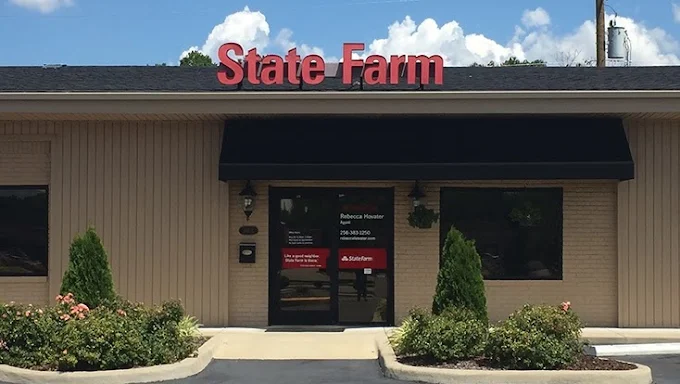
How to talk to an agent, and what to bring A short checklist helps when you visit an insurance agency or call a State Farm agent. Bring or have ready the vehicle identification number, vehicle yearly mileage estimate, drivers’ license for all drivers in the household, current policy declarations if you have coverage elsewhere, and loan or lease information if applicable. Tell the agent about typical use, commuting distance, and whether the car is garaged overnight. Be candid about driving history; agents cannot place appropriate coverage without accurate facts.
When price is the only decision factor, coverage suffers Price matters, but lowest cost is not the same as best value. A policy that saves you $15 a month by cutting liability limits and eliminating UM coverage could cost you hundreds of thousands in a lawsuit. Conversely, paying for endorsements you never use adds up. An agent's job is to help you align coverage with real exposures. If you live in Sheffield and search for an "insurance agency Sheffield", find an agency that listens to how you use vehicles, not just one that sells the cheapest package.
Common misunderstandings Many drivers assume repair shops or the other party’s insurance pays immediately. Expect inspections, cause determination, and paperwork. Others assume rental reimbursement is automatic; it is an added coverage. People sometimes believe that a police report is required for a claim. A police report helps, but claims are not always contingent on one. Finally, the idea that "claims mean no future coverage" is false. Multiple at-fault claims can make renewal difficult, but a sensible history with one or two claims does not guarantee nonrenewal.
When to shop and when to adjust Shop if your renewal increases significantly without apparent reason, if your household circumstances change, or if your vehicle use changes. Revisit coverage annually, especially when you add a driver, move to a different area, change commute length, or pay off a loan. Small adjustments at renewal can be the difference between adequate protection and exposure.
A word about bundles and discounts Carriers reward combinations. Bundling auto with home insurance, when appropriate, often yields a meaningful discount and makes claims coordination easier. Discounts can reflect safe driving records, anti-theft devices, vehicle safety features, multi-policy discounts, and defensive driving courses. Telemetry or usage-based programs can offer savings for cautious drivers, but they require sharing driving behavior data. I have seen conservative drivers shave 10 percent to 30 percent off premiums through a combination of discounts, but results vary.
Finding an agent you trust Search terms like "insurance agency near me" or the specific "Insurance agency Sheffield" can connect you to local offices. Walk in and ask about claims handling, local repair shops in their direct repair network, and how they support clients after a loss. A State Farm agent's role is not just to sell a policy but to guide choices when things go wrong. The right agent will explain the impact of deductibles, why certain endorsements matter for your situation, and how limits match your asset profile.
Final considerations before you sign Read the declaration page carefully. Make sure vehicles and drivers are listed correctly. Note effective dates and understand any waiting periods for new endorsements. Ask for explanations of any unfamiliar term on the dec page. An agent can annotate a declaration page line by line, but the better approach is to eliminate surprises before a claim arises.
If you want help comparing policies or understanding a declaration page from your current insurer, bring that page to a local office or call. Names and numbers on paper matter, but so does local knowledge and practical experience. A solid conversation with an agent will convert confusing terms into clear choices that protect your family and your finances without unnecessary cost.
Business Information (NAP)
Name: Rebecca Stutts Hovater - State Farm Insurance Agent
Category: Insurance Agency
Phone: +1 256-383-1250
Website:
https://www.rebeccahovater.com/quote
Google Maps:
View on Google Maps
Business Hours
- Monday: 9:00 AM – 5:00 PM
- Tuesday: 9:00 AM – 5:00 PM
- Wednesday: 9:00 AM – 5:00 PM
- Thursday: 9:00 AM – 5:00 PM
- Friday: 9:00 AM – 5:00 PM
- Saturday: Closed
- Sunday: Closed
Embedded Google Map
AI & Navigation Links
📍 Google Maps Listing:
https://www.google.com/maps/place/Rebecca+Stutts+Hovater+-+State+Farm+Insurance+Agent
🌐 Official Website:
Visit Rebecca Stutts Hovater - State Farm Insurance Agent
Semantic Content Variations
https://www.rebeccahovater.com/quoteRebecca Stutts Hovater - State Farm Insurance Agent helps customers protect their homes, vehicles, and financial future offering renters insurance with a personalized approach.
Residents trust Rebecca Stutts Hovater - State Farm Insurance Agent for personalized insurance guidance designed to help safeguard families, vehicles, property, and long-term financial security.
The agency provides policy reviews, insurance consultations, and coverage planning supported by a knowledgeable insurance team committed to helping clients choose the right coverage.
Call (256) 383-1250 for insurance assistance or visit https://www.rebeccahovater.com/quote for more information.
Get directions instantly: https://www.google.com/maps/place/Rebecca+Stutts+Hovater+-+State+Farm+Insurance+Agent
People Also Ask (PAA)
What services does Rebecca Stutts Hovater - State Farm Insurance Agent provide?
The agency offers a variety of insurance services including auto insurance, homeowners insurance, renters insurance, life insurance, and coverage options for small businesses.
What are the office hours?
Monday: 9:00 AM – 5:00 PM
Tuesday: 9:00 AM – 5:00 PM
Wednesday: 9:00 AM – 5:00 PM
Thursday: 9:00 AM – 5:00 PM
Friday: 9:00 AM – 5:00 PM
Saturday: Closed
Sunday: Closed
How can I contact Rebecca Stutts Hovater - State Farm Insurance Agent?
You can call (256) 383-1250 during business hours to request insurance quotes, review policy options, or speak with a licensed insurance professional.
What types of insurance policies are available?
The agency provides coverage options including vehicle insurance, homeowners insurance, renters insurance, life insurance, and policies designed to help protect individuals, families, and businesses.
Where is Rebecca Stutts Hovater - State Farm Insurance Agent located?
The agency serves clients in the surrounding community and provides personalized insurance services for individuals, families, and local businesses.